Munchkin Appoints Kunal K. Thakkar as Chief Supply Chain Officer to Spearhead Global Logistics Transformation

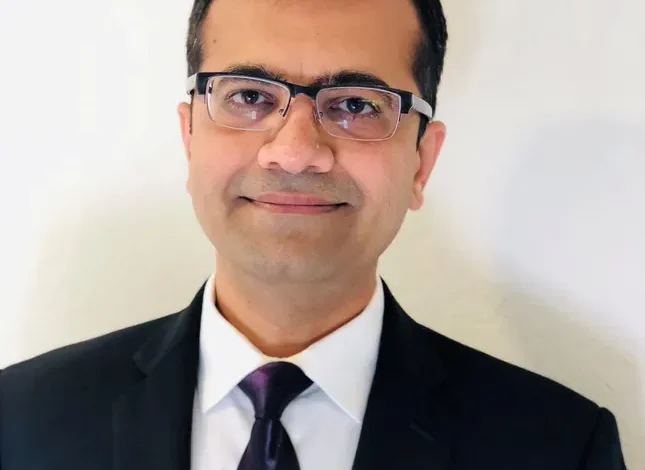
The baby product industry, known for its rigorous safety standards and rapid inventory turnover, is currently undergoing a significant shift in operational management as major players prioritize supply chain agility over traditional procurement models. Munchkin, a leader in the juvenile products sector and a subsidiary of Why Brands, officially announced on September 10 that it has appointed industry veteran Kunal K. Thakkar to the newly created role of Chief Supply Chain Officer. This strategic hire signals a major pivot for the company as it seeks to fortify its global footprint and modernize its response to the volatile demands of omnichannel retail.
Thakkar, who assumed his responsibilities at the company’s headquarters last month, now holds comprehensive oversight of Munchkin’s end-to-end global operations. His mandate is extensive, encompassing supply chain strategy, international compliance, cost optimization, global sourcing, demand planning, data analytics, and order management. Reporting directly to Steven Dunn, the CEO of Why Brands, Thakkar is tasked with building a more robust infrastructure capable of sustaining the brand’s next phase of market expansion.
A Career Defined by Logistics Complexity
The appointment of Thakkar is widely viewed as a calculated move by Munchkin to leverage his extensive background in navigating high-stakes retail environments. Before joining Munchkin, Thakkar served for two years as the CEO of Seair Global. During his tenure there, he spearheaded a radical transformation of the firm, shifting its business model from a conventional freight forwarding operation into a sophisticated logistics and technology services provider. This experience is particularly relevant to Munchkin, which has faced the industry-wide challenge of balancing physical retail distribution with a rapidly growing direct-to-consumer (DTC) digital presence.
Thakkar’s pedigree includes over two decades of experience in the supply chain sector, with notable tenures at major corporations such as Walmart, Newegg, Firstleaf, and UPS. Perhaps most pertinent to his current role at Munchkin was his stint as the Chief Supply Chain Officer at Thasio. While at the e-commerce aggregator, Thakkar managed a budget exceeding $100 million, covering the full spectrum of sourcing, warehousing, and transportation. Most impressively, he led a structural overhaul that resulted in a nearly 50% reduction in inventory levels over an 18-month period. For a brand like Munchkin, which deals with hundreds of SKUs—ranging from feeding accessories to safety gear—the ability to optimize inventory turnover while maintaining product availability is a critical competitive advantage.
Strategic Rationale Behind the New Role
The creation of the Chief Supply Chain Officer position marks a structural evolution for Munchkin. In an interview, Steven Dunn acknowledged that the role was specifically engineered to address the "ever-changing requirements of omnichannel selling." As retailers move away from siloed operations, the integration of physical and digital supply chains has become a prerequisite for survival.
"Munchkin has built an extraordinary legacy of innovation and consumer loyalty," Thakkar stated in the official release. "I’m excited to help build the supply chain that supports its next chapter of growth. I look forward to partnering with teams across the organization to bring greater speed, resilience, and scale to how we serve our retail partners and the families who trust Munchkin every day."
For Munchkin, the "resilience" mentioned by Thakkar is not merely a corporate buzzword but a necessity. The baby product sector has been hit particularly hard by global trade fluctuations and raw material cost volatility. By centralizing leadership under a Chief Supply Chain Officer, Munchkin is positioning itself to react more effectively to supply chain disruptions, whether they arise from port congestion, manufacturing delays, or shifts in consumer buying patterns.
The Broader Implications for the Juvenile Products Industry
The move reflects a broader trend among mid-to-large consumer goods companies. In recent years, firms that once treated supply chain management as a back-office support function have elevated it to the C-suite level. This transition acknowledges that, in the modern economy, the supply chain is a primary driver of customer experience. If a product is out of stock due to poor demand planning, the customer does not merely wait; they pivot to a competitor’s offering on Amazon or a similar platform.
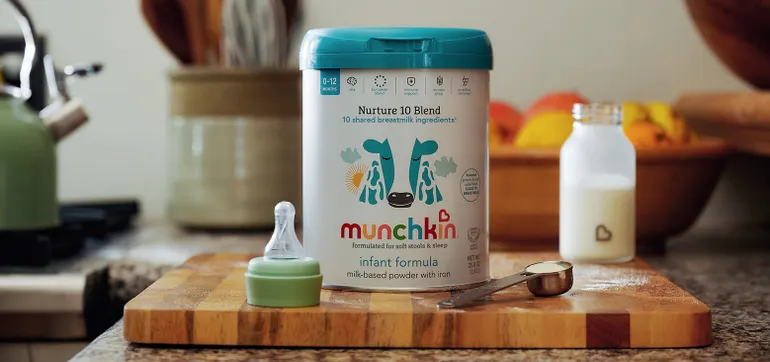
Industry analysts note that Munchkin’s focus on "omnichannel" suggests an aggressive plan to grow its footprint in both brick-and-mortar stores—where the company has historically thrived—and digital marketplaces. Achieving this dual-path success requires a highly responsive, data-driven supply chain. Thakkar’s experience with inventory reduction and technology-enabled logistics is likely to be the catalyst for this transformation.
Current Expansion and Future Hiring Plans
Munchkin’s commitment to this new strategy is already manifesting in active recruitment efforts. Following his appointment, Thakkar utilized LinkedIn to announce that the company is currently seeking a Director of Global Sourcing and Costing. This role is intended to bridge the gap between engineering and procurement, ensuring that product design and cost structures are aligned from the inception phase.
"This role is vital to our continued financial growth and product scalability, blending engineering cost insights with high-impact global sourcing," Thakkar noted in his recruitment post. The hiring of a dedicated director in this area suggests that Munchkin is looking to optimize its manufacturing base, perhaps diversifying its sourcing to mitigate risks associated with relying on single-country production hubs.
A Timeline of Strategic Development
The current organizational shift is the culmination of years of growth for the Why Brands-backed company.
- The Foundation: Munchkin establishes its reputation as an innovation-first leader in the baby product market, known for its signature feeding and safety products.
- The Growth Phase: The company expands its digital footprint, recognizing the need to meet parents where they shop—whether in major retail chains like Target and Walmart or through online marketplaces.
- The Operational Pivot: Recognizing the inefficiencies inherent in scaling across multiple channels simultaneously, leadership determines that a dedicated, high-level executive is required to unify supply chain functions.
- The Appointment (September 2024): Kunal K. Thakkar is brought on board as the first-ever Chief Supply Chain Officer to modernize, streamline, and scale global operations.
- The Future Outlook: The immediate goal is the integration of new sourcing strategies and the expansion of the supply chain department to support long-term revenue growth and consumer accessibility.
Expert Perspective: Why This Matters
From a macroeconomic standpoint, Munchkin’s move is a defensive and offensive measure. Defensively, it protects margins against the rising costs of global logistics. Offensively, it prepares the company for a future where product delivery speed is as important as product safety.
"Munchkin is a brand that relies heavily on consumer trust," notes a supply chain consultant familiar with the industry. "When a parent needs a replacement bottle or a safety gate, they expect it to be available. By bringing in a veteran like Thakkar, Munchkin is signaling to its retail partners that it will be a reliable, efficient, and technologically advanced supplier, regardless of the global economic climate."
Furthermore, the emphasis on "program management" and "analytics" in Thakkar’s portfolio indicates that the company plans to move toward a more predictive model of demand. By utilizing advanced data analytics, Munchkin can better anticipate market trends and regional demand spikes, reducing the risk of overstocking or stockouts.
Conclusion: A New Chapter for Munchkin
As Munchkin embarks on this transition, the focus will remain on the delicate balance between innovation and operational excellence. The appointment of Kunal K. Thakkar is more than just a personnel change; it is a fundamental shift in how the organization views its role in the global supply chain. By integrating engineering, sourcing, and logistics under one experienced leader, Munchkin is ensuring that its supply chain will no longer be a secondary consideration, but a primary engine for its ongoing growth.
As the company continues its search for a Director of Global Sourcing and Costing, the industry will be watching closely to see how these structural changes affect the brand’s speed to market and its ability to maintain its competitive edge in a demanding, high-growth sector. For families, the ultimate outcome should be a more consistent, innovative, and reliable experience with the products they rely on for their daily lives.